
-
 Agate Beads
-
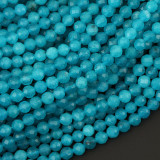 Amazonite Beads
-
 Amber Beads
-
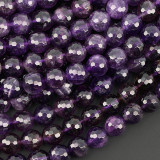 Amethyst Beads
-
 Ametrine Beads
-
 Angelite Beads
-
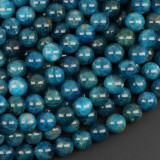 Apatite Beads
-
 Aquamarine Beads
-
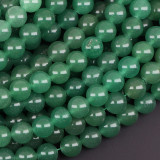 Aventurine Beads
-
 Azurite Beads
-
 Bloodstone Beads
-
 Blue Topaz Beads
-
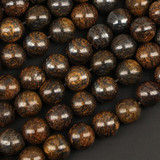 Bronzite Beads
-
 Carnelian Beads
-
 Chalcedony Beads
-
 Chrome Diopside Beads
-
 Chrysoberyl Beads
-
 Chrysocolla Beads
-
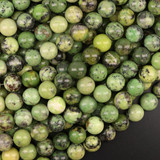 Chrysoprase Beads
-
 Citrine Beads
-
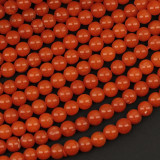 Coral Beads
-
 Epidote Beads
-
 Fluorite Beads
-
 Fossil Coral Beads
-
 Garnet Beads
-
 Gold Stone Beads
-
 Graphic Feldspar
-
 Howlite Beads
-
 Imperial Topaz Beads
-
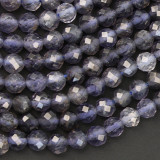 Iolite Beads
-
 Jade Beads
-
 Jasper Beads
-
 Kyanite Beads
-
 Labradorite Beads
-
 Lapis Lazuli Beads
-
 Large Hole Gemstone Beads
-
 Lava Beads
-
 Lepidolite Beads
-
 Llanite Beads
-
 Malachite Beads
-
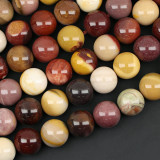 Mookaite Beads
-
 Moonstone Beads
-
 Mother of Pearl Beads
-
 Obsidian Beads
-
 Onyx Beads
-
 Opal Beads
-
 Peridot Beads
-
 Petrified Wood Beads
-
 Pietersite Beads
-
 Prehnite Beads
-
 Quartz Beads
-
 Rhodochrosite Beads
-
 Rhodonite Beads
-
 Rhyolite Beads
-
 Rose Quartz Beads
-
 Ruby Beads
-
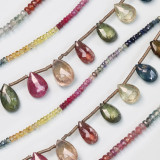 Sapphire Beads
-
 Shell Beads
-
 Smokey Quartz Beads
-
 Sodalite Beads
-
 Spinel Beads
-
 Sunstone Beads
-
 Terahertz Beads
-
 Tiger Eye Beads
-
 Tourmaline Beads
-
 Turquoise Beads
-
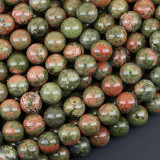 Unakite Beads
-
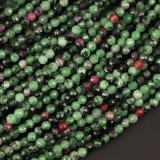 Zoisite Beads
FREE DOMESTIC FIRST CLASS SHIPPING ON ALL ORDERS OF $50 OR MORE